Affiliate Disclosure: This post contains affiliate links, which means this site may earn a commission if you click and purchase—at no extra cost to you. That support helps keep the lights on, the beans fresh, and the coffee experiments flowing.
This “Clean Coffee” Fixed My Jitters, Reflux, And Brain Fog (Without Giving Up Caffeine)
Why “Healthy Coffee” Isn’t Just Marketing
If you are the kind of drinker who can taste when a roaster changes lots or roast profiles, you already know that not all coffee is created equal. But once you start caring about what that coffee is doing to your gut, hormones, and long-term health, the stakes get a lot higher.
Most conventional coffee is grown with synthetic pesticides, herbicides, and fertilizers, then stored and shipped in conditions that can encourage mold and mycotoxin growth—compounds linked to inflammation, brain fog, and gut issues in sensitive people. For health-focused coffee drinkers, the real win is finding beans that are both flavor-first and obsessively clean: certified organic, low acid, and tested for contaminants.
The Case For Low-Acid, Mold-Free Coffee
Classic dark, punchy coffees can be brutal if you deal with GERD, IBS, ulcers, or just a “mystery” burning sensation after your second cup. Low-acid coffee aims to deliver the same caffeine ritual with far less irritation to the esophagus and stomach lining, which is why many reflux and IBS sufferers report fewer symptoms when they switch.
On top of acidity, mold and mycotoxins are a sleeper issue: poorly handled coffee can carry residues that may contribute to chronic low-grade inflammation, headaches, fatigue, and immune stress for some people. Choosing beans that are rigorously tested and guaranteed mold-free is a simple way to reduce one more source of unnecessary biological noise in your day.
What Sets Fabula Coffee Apart For Health Nerds
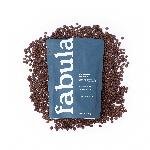
Fabula Coffee leans hard into the “clean coffee” promise: their beans are certified USDA Organic, non-GMO, shade grown, and sourced from high-altitude farms in Central and South America, which naturally favors higher quality Arabica. They then independently lab-test every batch for more than 350 contaminants—covering molds, mycotoxins, pesticide residues, herbicides, and heavy metals—before it ever hits your grinder.
The cup profile is designed for sensitivity without sacrificing character: Fabula Coffee is naturally low acid and described by reviewers as smooth, rich, and “no bitterness,” with many customers reporting fewer reflux flares, less bloating, and no more “coffee stomach.” For anyone who has tried to quit coffee purely because of symptoms, this kind of formula feels less like a compromise and more like an upgrade.
Pods, Instant, And Whole Bean: Cleaner Convenience
If you rely on single-serve pods for convenience, the usual tradeoff is flavor plus the potential microplastic exposure from conventional plastic capsules. Fabula Coffee tackles this with fully plant-based, compostable pods that are plastic-free, use about 13 grams of coffee per pod (versus around 9 grams in many brands), and are sealed with a patented system to lock in freshness without plastic.
For travel or office life, their instant option keeps the same low-acid, mold-free, third-party-tested standard, aiming to deliver jitter-free energy and fewer stomach issues in a format you can stir into hot water anywhere. The result is a portfolio where you can switch formats—whole bean at home, pods or instant for speed—without abandoning the health standards that got you interested in the first place.
How To Dial In A “Health-First” Coffee Routine
Even with a cleaner bean like Fabula Coffee, how you drink it matters just as much as what you drink. Pairing your coffee with some protein and healthy fats (like eggs, Greek yogurt, or collagen-enriched creamers) can blunt blood sugar swings and help stabilize energy, which is why many wellness-focused brands now offer collagen and functional creamers alongside their beans.
Evidence-backed benefits of coffee—better liver health, enhanced fat oxidation during exercise, and even increased longevity at three to four cups per day—depend on keeping your system resilient enough to tolerate regular intake. Swapping conventional beans for a low-acid, mold-free, organic option such as Fabula Coffee is one of the easiest levers to pull if you want the focus, metabolic perks, and ritual…without the reflux, jitters, or next-day regret.